
Can Creative Workshops in the United States Enhance Art Education for Students?
Benefits of Creative Workshops
Enhancing Hands-On Skills
Engaging in creative workshops is a powerful way to develop hands-on skills. Whether you're sculpting clay or painting a canvas, these activities provide opportunities to try new techniques and refine your expertise. In Austin, the Zilker Park art installations serve as a vibrant backdrop, inspiring participants to experiment and push their creative boundaries. These workshops, much like cooking classes san francisco, offer structured learning in a collaborative environment where you can see immediate progress in your capabilities.
Fostering Innovative Thinking
Creative workshops are invaluable for fostering innovative thinking. They challenge you to think outside the box, pushing you to develop solutions to artistic challenges. The dynamic atmosphere of these classes, akin to baking classes nyc, encourages learners to explore novel ideas and collaborate with others, leading to the emergence of unique artistic styles and concepts. As you delve into different mediums, from watercolor to digital art, you are not just perfecting a craft but also expanding your cognitive flexibility and problem-solving skills.
Encouraging Collaboration
Another significant benefit of creative workshops is the opportunity to engage in collaborative projects. These interactions mirror the nature of online craft classes, where teamwork and idea exchange are crucial components. By collaborating with diverse personalities, you gain different perspectives that enrich your artistic journey. The community atmosphere strengthens your ability to work in a team, a skill that extends beyond art and into other aspects of life. Through these workshops, you build connections and learn the art of compromise and synthesis, leading to rewarding creative outcomes.
Types of Workshops
Digital Art Sessions
In today's art scene, digital art sessions are a popular choice for those looking to expand their creative skills. These workshops provide access to digital tools, allowing artists to experiment with new forms of expression without the constraints of traditional media. Participants can learn from experienced instructors while honing their skills with software and gadgets that are shaping the future of art. With couples cooking classes nyc as a parallel experience for culinary enthusiasts, digital art sessions offer an opportunity to indulge in creativity in the dynamic setting of the Austin art scene.
Pottery and Sculpture Classes
Pottery and sculpture classes offer an engaging way to work with tactile materials, shaping pieces of art from earthly clay or other sculptural media. These classes provide an environment where artists can experiment with texture and form, often drawing inspiration from local installations at Zilker Park. For example, these classes might explore techniques similar to those used in team building activities nyc, focusing on teamwork and collaboration to bring complex sculptures to life. Such workshops foster a deep appreciation for physical art-making processes, allowing participants to get their hands dirty while creating tangible art pieces.
Mixed Media Exploration
Mixed media workshops invite artists to step beyond the boundaries of single-medium art, encouraging exploration across various materials and techniques. This might include a combination of painting, collage, and digital elements to produce multifaceted artworks. Similar to planning bachelorette party ideas, these workshops are a harmonious blend of planning, inspiration, and experimentation, offering an environment where multiple art forms converge. Within Austin's vibrant community, such sessions can challenge artists to rethink conventional approaches and develop distinctive creative signatures.
Finding the Right Workshop
Local Community Options
When seeking the perfect creative workshop, Austin's vibrant art scene offers an impressive array of local options that cater to a variety of artistic interests. Whether you're drawn to the exciting challenges presented by the Blanton Museum of Art or inspired by the large-scale art installations at Zilker Park, local workshops provide environments ripe for collaboration and artistic growth. The challenge for many artists, myself included, is exploring these opportunities and finding those that resonate most with our creative visions.
Online Workshop Platforms
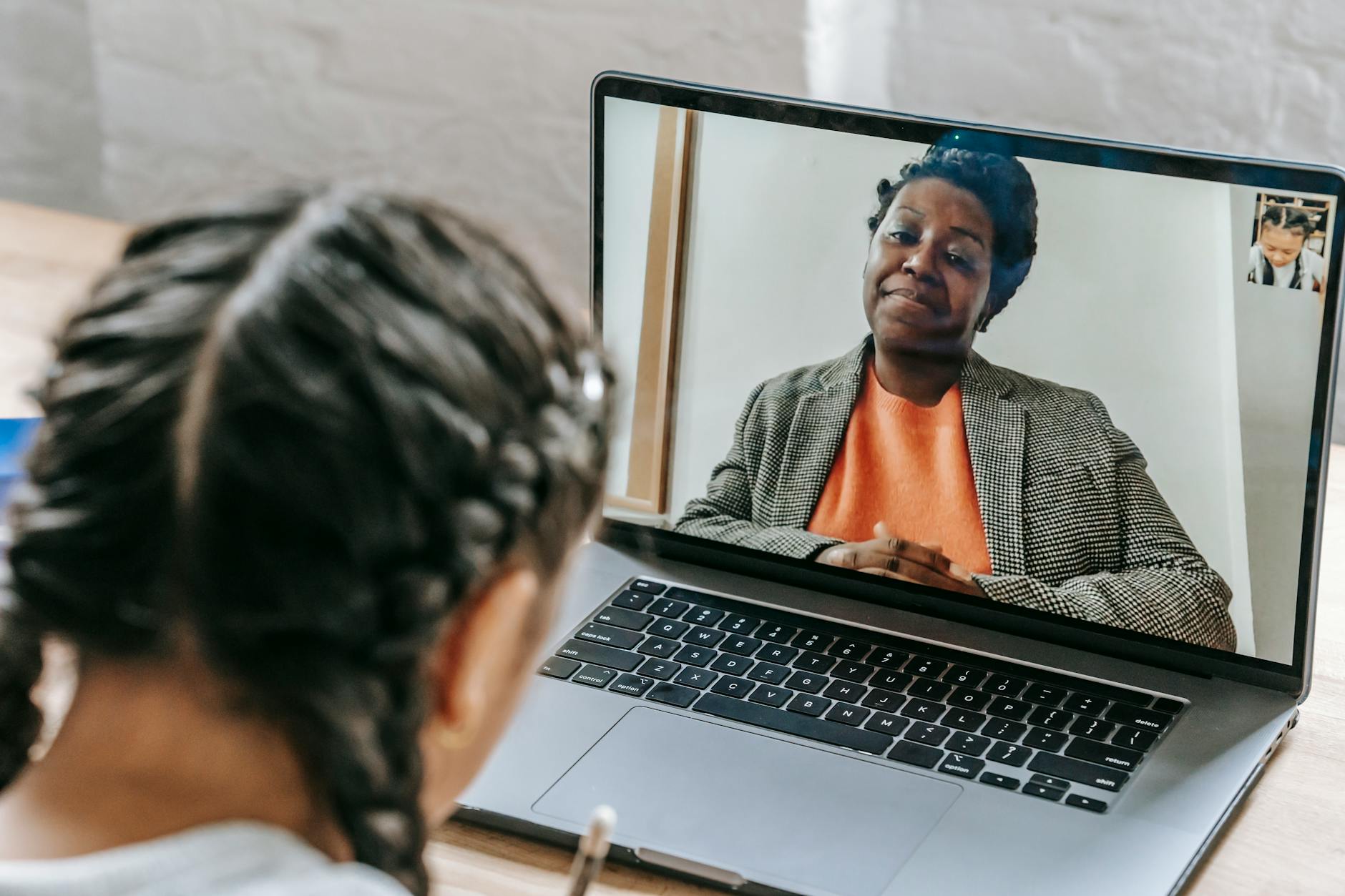
For those who prefer virtual engagement, online platforms offer a plethora of creative courses tailored to different skill levels. Many platforms provide virtual team building activities or workshops designed to foster connection and skill development among participants. This can be particularly beneficial for artists looking to collaborate with others from across the country without leaving the comfort of their workspace.
Networks and Collaborations
Building a network of fellow creatives is another powerful method of finding the right workshop. Engaging with online forums and local artist groups can open doors to potential collaborations and workshop recommendations. For example, if you're excited about combining experiential learning with artistic expression, imagine teaming up with others for pottery classes nyc to gain new insights and techniques. Establishing these networks not only enrich your art education but also present fresh opportunities for professional growth.
Participation and Engagement
Making the Most of Feedback
In the creative process, feedback acts as a crucial element that can propel your growth. It's not just about receiving critiques; it's about integrating them into your work for genuine improvement. Embrace opportunities for constructive feedback in your workshops, similar to the way the Austin art scene fosters open dialogues among artists. Applying insights from instructors during experiences like pottery class San Francisco can refine your craft exponentially.
Building Peer Connections
Engaging with your peers is invaluable. Networking shapes your personal and professional journeys, offering fresh perspectives and opening doors to potential collaborations. Picture the camaraderie you feel during cooking classes NYC with fellow attendees, trading ideas and inspiration. These connections can lead to joint projects and lifelong friendships, echoing the vibrant interactions we find during art installations at Zilker Park.
Setting Personal Goals
Setting personal goals is essential to maintaining focus and motivation. It's easy to get lost in the chaos of managing multiple projects, yet defining what you want to achieve through these workshops can make a big difference. Align your objectives with skills you wish to enhance, whether it's mastering a new technique or forming new connections. In doing so, you'll cultivate a purpose-filled experience that transcends the classroom, empowering you to expand your influence and creativity in the art community.
Challenges in Creative Workshops
Balancing Commitments and Time
The dynamic world of art classes demands a high level of commitment and careful time management, especially while juggling classes, part-time jobs, and social life. Finding the right balance can be daunting but equally rewarding. An effective strategy is to integrate a specific schedule into your routine, making room for regular practice while still allowing for those spontaneous trips to the Blanton Museum of Art. Prioritizing your creative pursuits alongside academic responsibilities can create a fulfilling equilibrium necessary for personal growth.
Overcoming Creative Blocks
Creative blocks are an inevitable part of every artist's journey. When inspiration seems elusive, consider stepping outside into the vibrant atmosphere of the art scene in Austin. Engaging in different surroundings like the thought-provoking installations at Zilker Park can stimulate fresh ideas and new perspectives. Additionally, discussing creative hurdles with peers in workshop settings can unveil alternative strategies and enhance collaborative problem-solving, easing you back into your creative flow.
Maintaining Motivation
Staying motivated might feel easier said than done, especially when the initial excitement of a new project wears off. To combat this, setting small, tangible objectives can maintain enthusiasm and propel progress. Participating in group critiques or showcases within your workshops can also be a powerful motivator, allowing you to celebrate achievements and measure growth. By immersing yourself in the enthusiastic support of the art community, your dedication will naturally flourish and drive your artistic endeavors forward.